Pruning That Protects Structure and Safety
Professional tree pruning services in Oneonta, Alabama for healthier growth and reduced risk.
When you look at the mature trees in your Oneonta yard, you might notice limbs that hang too low, cross over one another, or grow too close to your home. These conditions create weak points in the canopy that make the tree vulnerable during storms and interfere with the flow of air and sunlight through the branches. Proper pruning addresses these issues before they lead to broken limbs, disease, or damage to your property.
Affordable Tree Service uses cutting techniques that preserve the health of your tree while removing the parts that pose a risk. We work with the growth patterns of North Alabama trees, which often develop heavy canopies during wet seasons and face stress from wind and ice during winter months. Pruning improves the overall structure, reduces weight on weaker branches, and opens up the interior of the tree so light and air can reach the foliage below. This service is especially useful for older homes in Oneonta where established landscapes include oak, maple, and pine trees that need regular attention.
If your trees show signs of overgrowth, deadwood, or storm damage, you can contact Affordable Tree Service to schedule a pruning consultation for your Oneonta property.
What Happens During a Professional Pruning Visit
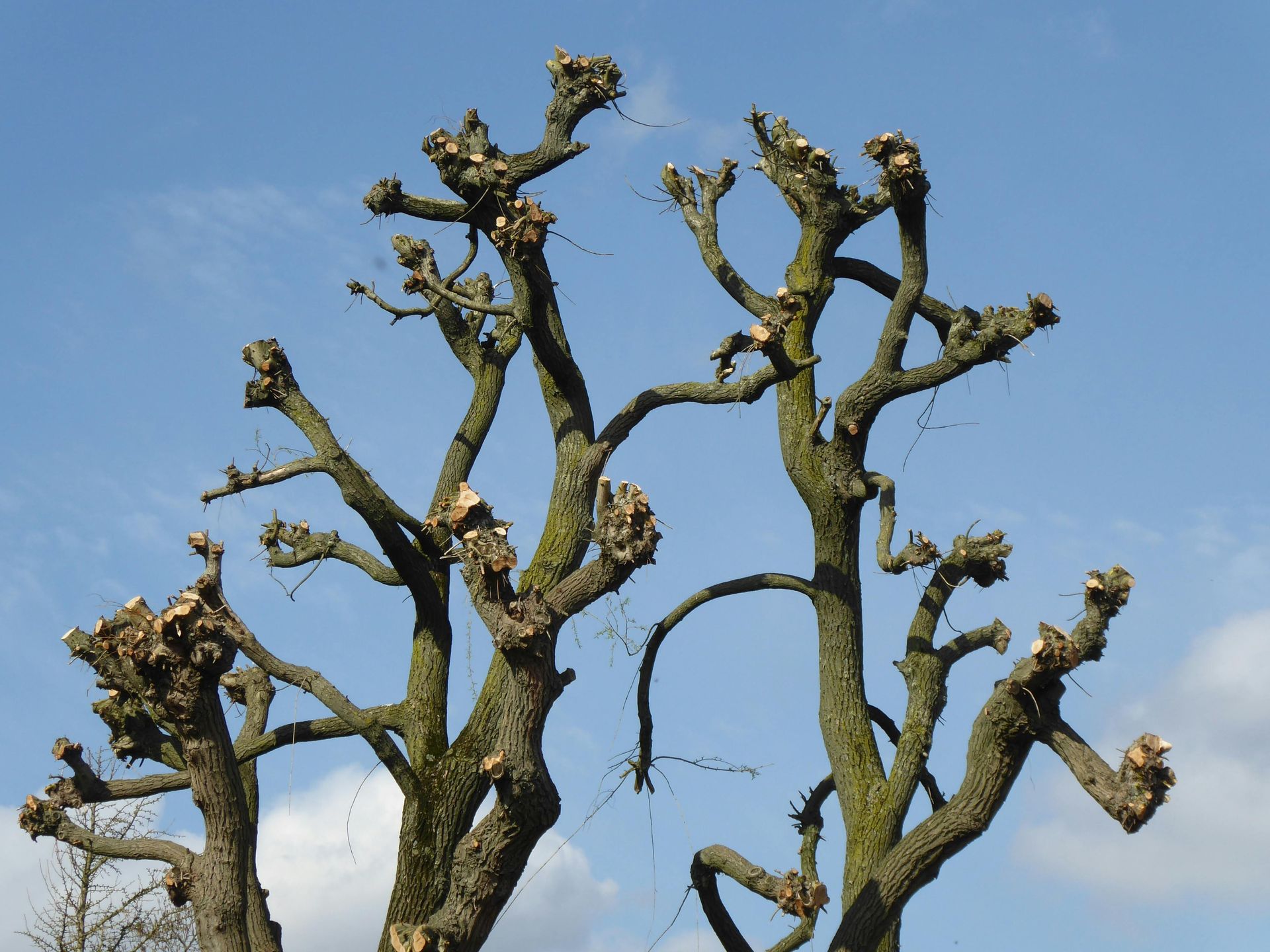
We arrive at your Oneonta property with pole saws, hand pruners, and rigging equipment designed to reach branches at different heights without damaging the tree. You will see us evaluate the canopy structure, identify crossing limbs, dead zones, and areas where growth is too dense, and then make cuts at specific angles that encourage proper healing. Each cut is placed just outside the branch collar to avoid tearing bark or leaving stubs that invite infection.
After the work is complete, you will notice more sunlight reaching your lawn, better airflow through the canopy, and a cleaner overall shape. The tree will be lighter, more balanced, and less likely to drop large limbs during the next storm. You may also see improved growth in the areas we thinned, as the tree redirects energy to healthier branches.
We remove all cuttings from your property and leave the site clean. This service does not include stump grinding or root work, and it is not intended for trees that are already dead or severely compromised. If a tree cannot be saved through pruning, we will let you know and discuss other options.
You Likely Have a Few Questions Before We Start
Homeowners in Oneonta often ask about timing, tree health, and what to expect after pruning is finished, so we have answered the most common concerns below.
If your trees in Oneonta are overgrown, showing dead limbs, or crowding your roofline, Affordable Tree Service can assess the canopy and recommend a pruning plan that fits the condition and species of each tree. You can reach us to schedule an appointment and get a clear explanation of what the work will involve.